


In an era of dynamic market shifts and unpredictable global energy indices, today’s fuel consumers are more vigilant than ever. Rather than blindly accepting seasonal dealer tariffs, property managers and homeowners actively seek digital platforms that deliver transparent, up-to-the-minute pricing insights. For digital energy portals and heating oil providers, meeting this high-intent consumer demand requires more than static catalog listings—it demands an authoritative, data-driven search engine optimization (SEO) ecosystem.
Capitalizing on High-Intent Financial Search Queries
Price-conscious search queries represent the highest level of commercial purchase intent. When potential buyers query current market valuations, they are typically within the final decision-making stages of their procurement journey.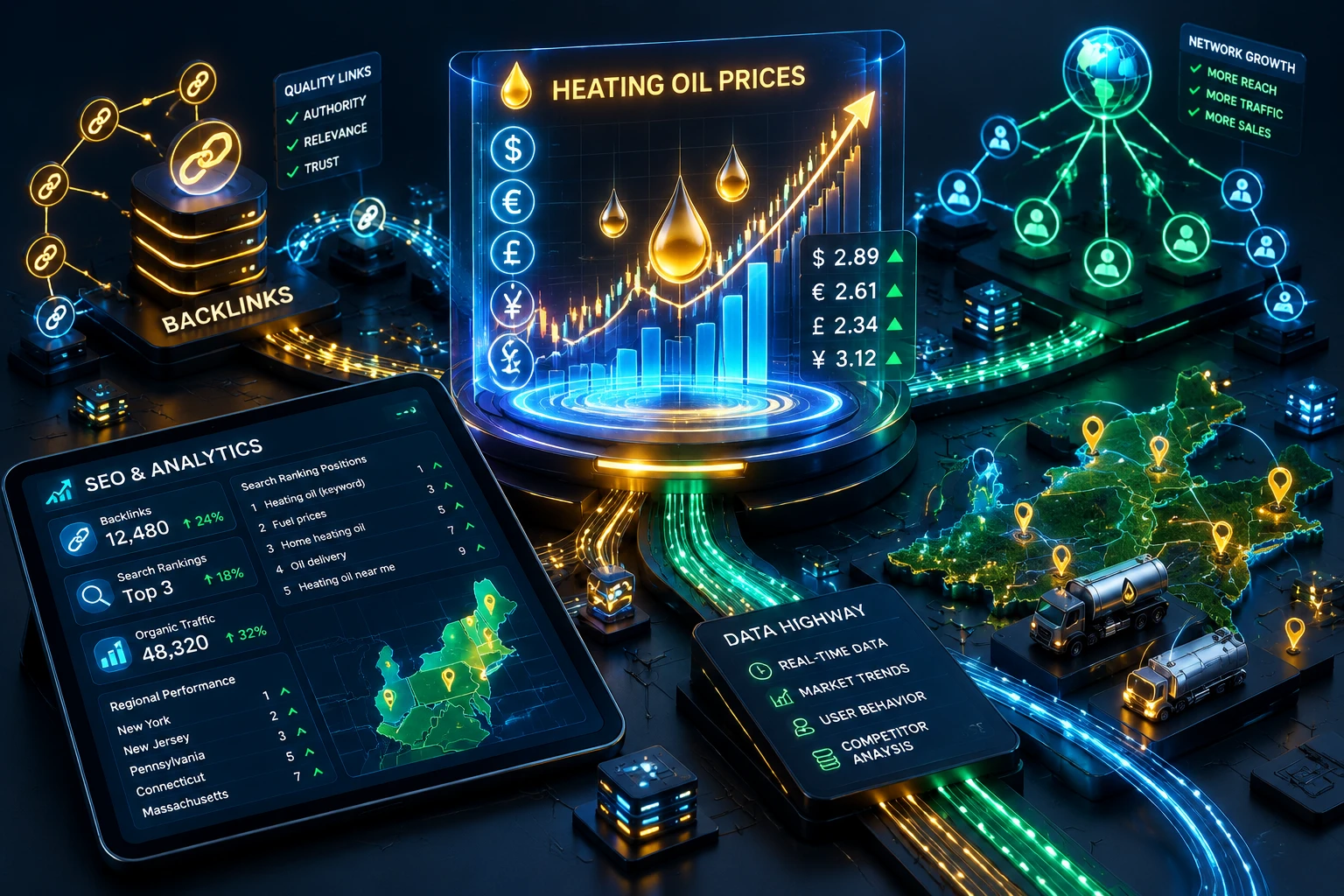
To dominate these critical conversion moments, energy portals must combine dynamic data updates with authoritative contextual backlinks. Providing regularly updated price trackers alongside deeply contextual inbound links allows platforms to earn top organic visibility for high-volume financial terms like heizölpreise. When search engines observe authoritative energy blogs, consumer watchdogs, and regional business directories linking back to a structured pricing hub, algorithmic confidence rises dramatically—propelling the target URL into prominent SERP positions and Google answer boxes.
Blueprint for an Authority-First SEO Campaign in the Fuel Sector
Securing sustainable top rankings in a heavily contested market requires a balanced blend of technical infrastructure and multi-layered link building:
- Entity-Based Link Signals: Modern search algorithms evaluate semantic relationships between entities (such as fuel distributors, regional logistics, and spot-market indices). Acquiring links from contextually related industry publications signals true topical authority rather than artificial manipulation.
- Dynamic Price Feeds and Schema Markup: Integrating structured data (Product and Offer schema) allows price comparison metrics to appear directly in rich snippets. This dramatically enhances organic click-through rates (CTR) from users scouting for daily savings.
- Multi-Tiered Backlink Stacks: Strengthening high-tier editorial placements with secondary Web 2.0 assets and indexed referral traffic creates a robust link velocity. This structural shielding insulates the main domain against algorithmic volatility while compounding domain rating (DR) growth.
- Geo-Contextual Relevance: Energy logistics are heavily bound to regional distribution routes. Contextual backlinks from regional trade chambers, local community hubs, and transport networks anchor the domain’s geographical relevance for regional price-per-liter queries.
Turning Search Rankings into Long-Term Customer Equity
Ranking for price-oriented keywords brings qualified visitors directly into the sales funnel. However, the retention of these visitors depends on transparent user experiences—clear breakdown tables, no hidden delivery surcharges, and frictionless checkout workflows. When technical excellence aligns with continuous high-authority link acquisition, the result is exponential organic growth that outpaces conventional paid advertising.
Summary
The digital heating fuel landscape belongs to platforms that master user intent through transparency and technical authority. By leveraging real-time market data, aggressive link-building frameworks, and focused anchor text strategies, heating oil suppliers can dominate competitive search terms and secure a steady influx of high-converting customers year after year.